Aluminum Castings: Lightweight, Durable, and Recyclable Components
Aluminum Castings Explained: Secret Advantages and Solutions for Your Production Demands
Aluminum castings play a significant duty in modern-day production. Their durable and lightweight nature makes them ideal for numerous applications. Industries such as vehicle and aerospace benefit from their convenience. Understanding the advantages and the manufacturing procedure of light weight aluminum spreadings is essential. In addition, selecting the ideal company can influence quality and performance. What variables should be considered when choosing a light weight aluminum casting service? Checking out these elements discloses essential understandings.
Benefits of Aluminum Castings
Light weight aluminum spreadings supply numerous advantages that make them a preferred selection in various markets. One of the main benefits is their lightweight nature, which considerably decreases shipping and dealing with expenses. In addition, light weight aluminum displays excellent deterioration resistance, ensuring long life and lowered upkeep for products made from this material. The versatility of light weight aluminum permits intricate designs and complicated shapes, giving suppliers with higher flexibility in manufacturing.
In enhancement, light weight aluminum castings have great thermal and electrical conductivity, making them suitable for a variety of applications calling for warm dissipation or electric components. The material additionally has a high strength-to-weight ratio, allowing the manufacturing of durable yet light-weight parts. Aluminum can be reused without losing its homes, promoting sustainability in making procedures. On the whole, these advantages make light weight aluminum castings a trustworthy and reliable option for producers looking for top quality and efficiency in their products.
Applications of Aluminum Castings in Various Industries
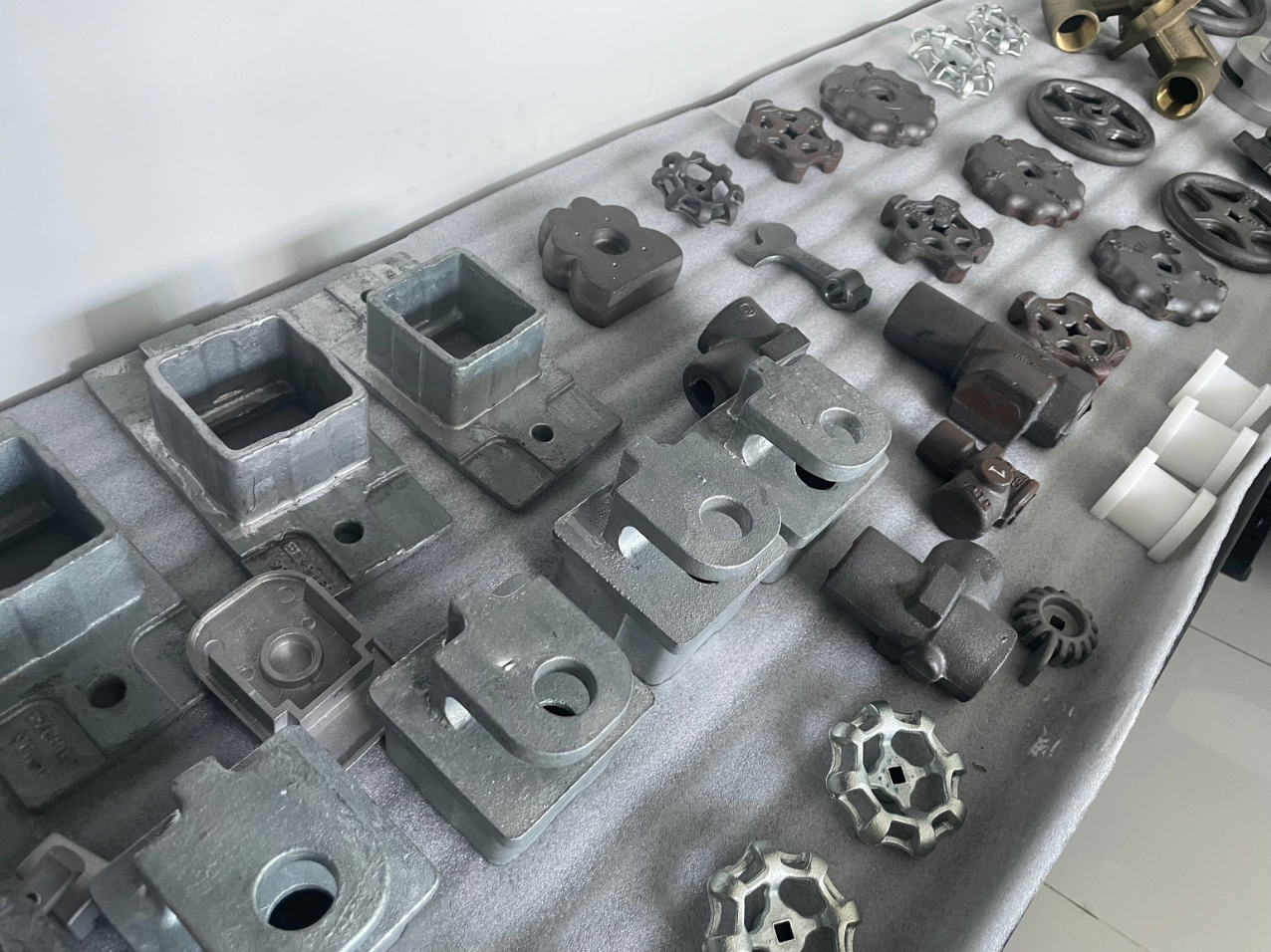
The advantages of light weight aluminum castings make them highly searched for throughout various markets, consisting of automotive, aerospace, and durable goods. In the automotive sector, they are utilized for engine blocks, transmission instances, and wheels due to their lightweight nature, which boosts fuel effectiveness. Aerospace applications gain from aluminum castings in architectural elements and housings, supplying strength while reducing weight, necessary for trip efficiency.
In consumer items, aluminum castings are used in products such as pots and pans and digital enclosures, offering toughness and visual charm (Aluminum Foundry). Furthermore, the electric market uses aluminum castings for warmth sinks and housings, ensuring effective thermal administration. The adaptability of light weight aluminum enables complicated geometries and intricate styles, further broadening its applications. On the whole, the diverse utility of aluminum castings emphasizes their importance in modern production, adding to development and effectiveness across these vital markets

The Production Refine of Light Weight Aluminum Castings
Casting aluminum involves several critical actions that change raw steel right into specific components. The process begins with the melting of light weight aluminum scrap or ingots in a heater, reaching temperatures around 1,200 ° F. As soon as molten, the aluminum is put into a mold and mildew, which can be made from sand, metal, or ceramic, relying on the wanted specs.
After putting, the metal solidifies and cools, creating the form of the mold (Aluminum Foundry). The following step involves removing the casting from the mold and mildew, which may require additional techniques to ensure a smooth surface coating
Subsequently, any type of excess product or blemishes can be machined or ground off to attain the final measurements. Quality examinations are after that conducted to validate that the casting fulfills required standards. This precise procedure enables suppliers to produce components that are light-weight, sturdy, and ideal for a wide variety of applications.
Selecting the Right Aluminum Spreading Service
When choosing a light weight aluminum spreading service, it is vital to contemplate several elements that can considerably influence the top quality and efficiency of the end product. First, the company's experience and know-how in aluminum spreading play a vital duty in making sure high-grade results. Business must examine the company's portfolio and previous tasks to gauge their abilities.
Additionally, evaluating the technology and equipment utilized by the casting solution is very important, as contemporary machinery can enhance accuracy and minimize preparations. Another essential aspect is the ability to use personalized remedies customized to particular job demands, which can substantially improve product efficiency.
Interaction and consumer support need to not be forgotten; a collective companion can assist in smoother project execution. Taking into consideration cost-effectiveness without endangering top quality is essential for making an educated choice. By meticulously weighing these elements, makers can pick a spreading solution that finest meets their demands.
Future Fads in Light Weight Aluminum Spreading Innovation
As makers progressively prioritize quality and efficiency, innovations in light weight aluminum casting modern technology are readied to transform the industry. Emerging trends consist of the fostering of automation and robotics, which improve accuracy and minimize human mistake in casting processes. In addition, the integration of artificial intelligence and artificial intelligence is expected to optimize manufacturing timetables and boost top quality control.
Sustainability remains a main emphasis, with innovations in recycling methods permitting a lot more reliable reuse of light weight aluminum scrap, consequently reducing waste and power consumption. Advanced simulation software application is additionally acquiring traction, his response allowing engineers to model and predict casting performance before real production, reducing pricey errors.
Additionally, the growth of brand-new alloys and advanced spreading approaches, such as 3D printing, will broaden the possibilities for lightweight yet long lasting components. With each other, these fads suggest a dynamic future for light weight aluminum casting, driven by technological advancements that focus on item, effectiveness, and sustainability top quality.
Regularly Asked Inquiries
How Do Aluminum Castings Contrast to Other Materials?
What Are the Weight Limitations for Aluminum Castings?
Weight constraints for aluminum spreadings generally depend upon the article layout and application, however they generally sustain tons capabilities varying from a few ounces to several heaps. Certain restrictions develop from variables like wall surface thickness and structural integrity.
Can Light Weight Aluminum Castings Be Repaired After Production?
Aluminum castings can be fixed after production, utilizing strategies such as welding or epoxy bonding. The expediency of repairs depends on the level of damages and the particular residential or commercial properties of the aluminum alloy used.
What Finishes Are Available for Aluminum Castings?
Different coatings are offered for light weight aluminum spreadings, consisting of anodizing, powder paint, polishing, and coating. These coatings boost look, offer corrosion resistance, and improve surface longevity, accommodating diverse visual and practical demands in producing applications.
How Do Environmental Rules Affect Aluminum Casting Processes?
Environmental guidelines substantially affect light weight aluminum casting procedures by mandating more stringent emissions controls, motivating reusing methods, and advertising sustainable products. These guidelines urge producers to take on cleaner technologies and minimize their environmental footprint in production activities.
